

Switching Property Management Companies: The Handoff Checklist (2026)
Most owners who switch property management companies wait too long. By the time they finally make the call, they’re tired of chasing updates, and they just want it over with.
That’s exactly when the handoff gets sloppy. And a sloppy handoff is how deposits go missing, a lease nobody can find turns into a fight, and a tenant pays rent to the wrong company for two months.
I’m a property manager, and a lot of the owners we work with came to us from another manager. Here’s how the switch actually works, and what to get in hand before you let the old company go.
Short answer: Switching property management companies usually takes about a month once notice goes out. Read your agreement’s notice and fee terms, sign with the new manager first, give written notice, then get the leases, ledgers, security deposits, reserves, keys and open work orders transferred. Tenants keep their lease. Only who they pay changes.
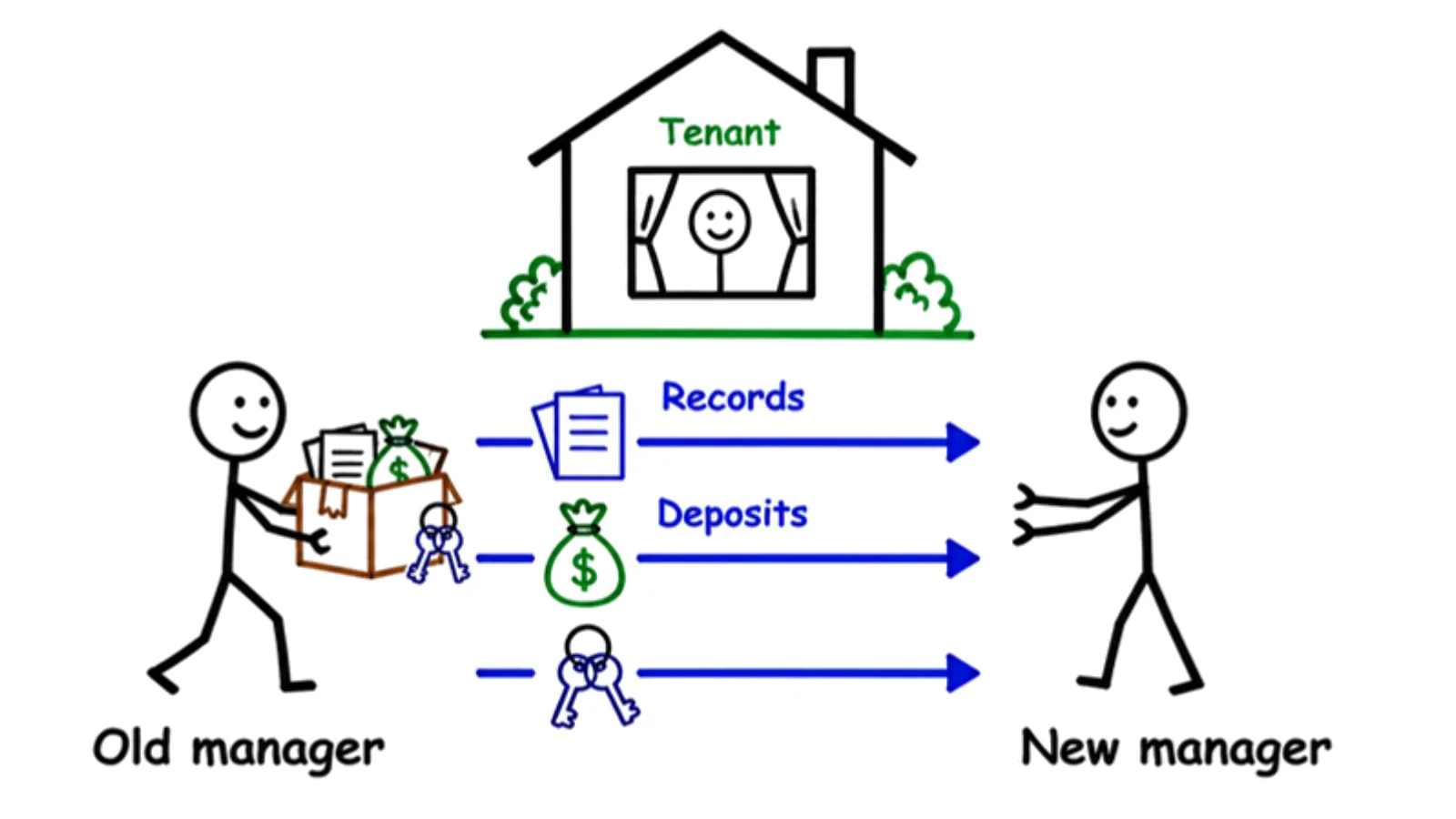
Before you give notice: read your management agreement
Your management agreement decides how hard this is going to be. Pull it out and find five things:
The notice period. Thirty days is common. Some run 60 or 90.
The termination clause and any cancellation fee.
Whether they keep collecting a fee on a tenant they placed after you leave.
Who holds the security deposits, and how they get handed over.
What the contract says about returning your records.
None of that should stop you. A cancellation fee of a few hundred dollars is usually cheaper than another year of rent sitting under market. But you want to know the number before you send the letter, not after.
If you’re still on the fence, run through these signs of a bad property manager first. They’re yes or no, and they’ll tell you whether it’s the manager or just a bad month.
Line up the new manager first
Sign with the new company before you fire the old one. Otherwise you end up self-managing for a month, which is the exact thing you hired someone to avoid.
Don’t pick the next manager on the rent number they promise you. Anybody can promise a number. Pick on screening, maintenance and how they communicate, because that’s where your money actually goes. Here are the questions to ask a property management company before you sign.
Then let the new manager drive the handoff. A good one has done this plenty of times and knows exactly what to ask for.
How long does it take to switch property management companies?
Plan on about a month from notice to the first rent the new company collects. Longer if the old manager drags their feet, and honestly, a lot of them do.
Here’s what usually happens. The old manager keeps the month you’re switching in. Then it can take two or three weeks just to get the leases and tenant contact info out of them. People are surprised how hard that part is.
When | What happens |
|---|---|
Week 0 | Sign with the new manager. Read your notice period and fees. |
Notice day | Send written notice to the old manager with the effective date and a list of what you need. |
Weeks 1 to 3 | Old manager sends leases, ledgers and files. New manager reviews them. |
Effective date (the 1st) | Tenants start paying the new manager. Keys and codes change hands. |
Next few weeks | Old manager sends the final statement, deposits and reserves. |
Pick an effective date right after a rent cycle closes, usually the 1st. That way one company collects the whole month, pays the bills on it, and sends you one clean statement. Switching on the 12th means two companies touching the same month’s money, and that’s where things disappear.

The handoff checklist: what to get from your old property manager
Put this list in your notice letter. Don’t ask for “the files.” Ask for each item by name, with a date.
Get this | Why it matters |
|---|---|
Every signed lease, addendum and renewal | The lease is what the new manager enforces. Unsigned or missing pages are a problem you want to find now. |
Tenant ledgers | Shows who owes what, what’s been paid, and any credits. |
Security deposit ledger, plus the money | The deposit belongs to the tenant until move-out. It has to move with an accounting, not a “we’ll get to it.” |
Final owner statement and your reserve | Closes out the last month and returns the cash they were holding for repairs. |
Move-in condition reports and photos | Without them you can’t charge for damage at move-out. |
Inspection reports | Tells you what’s been looked at, and what hasn’t. |
Open work orders, vendor list and warranties | Nobody should be finding out about a leaking water heater from the tenant twice. |
Keys, remotes, lockbox and gate codes, smart lock access | Change or rekey anything you can’t account for. |
Utility, HOA and insurance contacts | So bills and violation notices stop going to the old company. |
Year-to-date statements and tax info | Your accountant will want both companies’ numbers for the year. |
Then get the online listings taken down if the unit is vacant, and make sure the rent payment portal is switched off on their end.
A sample termination letter you can copy
Here’s the letter we use when an owner moves their management to us. Swap in your details and send it to the old company. If your agreement says how notice has to be delivered (certified mail, for example), send it that way too.
Date: (today’s date)
To: (current management company)
Re: Notice of termination of property management agreement
This letter is official notice that I am terminating my property management agreement with (current management company) for the following properties: (property addresses).
Termination is effective (effective date), per the notice terms in our agreement. Please keep collecting rent through (last month you collect) and take your normal agreed-upon fee. Starting (next month), rent will be collected by (new manager, or me directly).
Please tell the tenants about the change and let them know they’ll get new payment instructions before their next rent is due.
Within 10 business days, please send the following to (new manager, or me):
Fully signed leases, with all addenda and tenant-signed disclosures (like lead-based paint)
Move-in, routine and move-out inspection reports, with photos and videos
A tenant roster: every occupant’s full name, phone, email and emergency contact
The rent roll, payment history and tenant ledgers
Warranties, vendor contracts and service agreements
Unpaid invoices, pending payments and open work orders
All keys, access codes, garage remotes and other access devices
Any other files about the property
Security deposits: Please transfer every tenant’s security deposit, plus any prepaid rent and my reserve, to (new manager’s trust account, or me). Do not return deposits to the tenants. If you’ve withheld any part of a deposit, send a written accounting of what was withheld and why before transferring the rest.
I authorize you to work directly with (new manager) to complete this transition. Please reply to confirm you received this notice.
(Your name, signature and date)
Keep a copy of what you sent and when. If the old company drags its feet later, that date is your starting point.
Read the lease you inherit
Don’t assume the lease is any good just because a manager wrote it. Of the last 100 leases we reviewed from owners and other managers, 72% were generic templates, 36% were only partly signed, and 54% had clauses that contradicted each other.
The lease stays in force until it ends, so you’re stuck with what’s in it for now. But you want to know where the holes are before a tenant finds them for you. The rent roll and the lease should match. If they don’t, ask why.
Security deposits and the money in the middle
This is the part owners get wrong most often. A security deposit isn’t a document you get a copy of. It’s money that has to move from the old manager’s account to the new manager’s account (or to you, if you’re taking it back), with a per-tenant accounting that says whose money is whose.
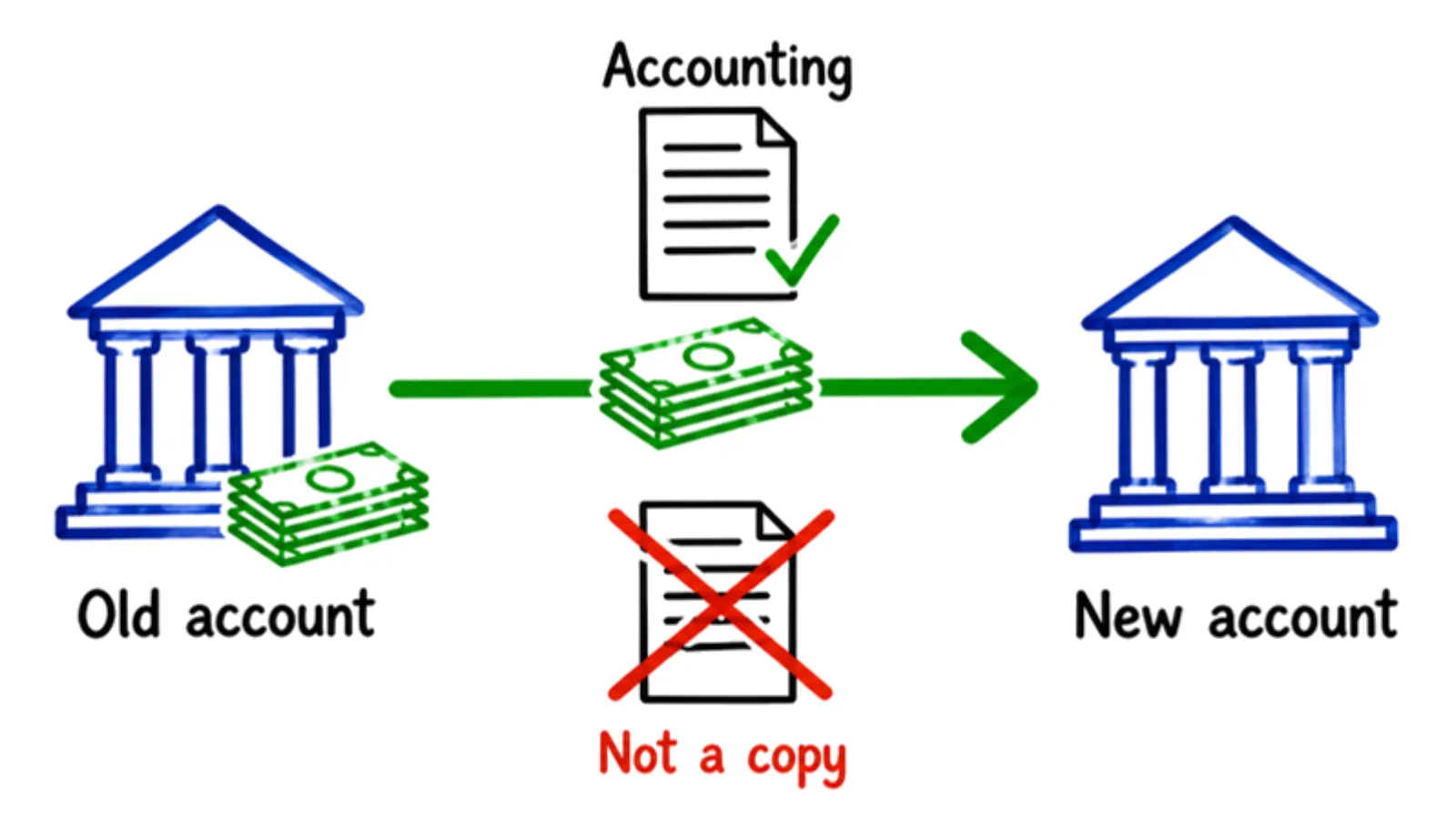
A professional manager should be holding your deposits and reserve in a trust account, separate from their own operating money. Mixing them is called commingling, and it’s exactly how deposits vanish in a handoff.
Here in Idaho, for example, a third-party manager has to keep residential security deposits in a separate account at a federally insured bank under Idaho Code § 6-321 (licensed brokers follow their own trust account rules instead). If your manager is a licensed broker, Idaho Code § 54-2041 says the broker stays fully responsible for money entrusted to them until a full accounting has been given. And under Idaho Code § 54-2049, brokers have to keep trust account ledgers and reconciliations for three years. So “we can’t find that” isn’t a real answer. Your state’s rules will be different, but most have something similar.
A worked example: what should move, and where
Say you’re switching effective November 1. Your rent is $1,800. In October the old manager collected rent, took a 10% management fee, and paid a $240 plumbing bill. They’re holding a $1,500 security deposit and a $300 repair reserve.
Item | Amount | Where it goes |
|---|---|---|
October rent collected | $1,800 | Old manager closes out October |
Less management fee (10%) | -$180 | Old manager |
Less plumbing bill | -$240 | Vendor (ask for the invoice) |
October owner payout | $1,380 | You |
Security deposit | $1,500 | New manager’s trust account |
Repair reserve | $300 | You or the new manager |
Total that should leave the old manager | $3,180 |
If the number you get back is smaller, ask for the line items. Most of the time it’s an honest timing issue, like a bill they paid on the 30th. Sometimes it isn’t.
Also watch for rent that lands late. If a tenant’s autopay still sends November rent to the old company, they should forward it right away, not hold it until your final statement.
Don’t forget the stuff that’s mid-stream
A tenant who moved out in the last month has a deposit refund clock running. In Idaho that’s 21 days, or up to 30 if the lease sets a longer time, under the same § 6-321. Decide in writing who sends that refund. Same with an eviction already filed, a renewal that’s already been offered, or a rent increase notice that already went out. Somebody has to own each one, and it should be written down.
What happens to tenants when property management changes?
Not much, if it’s done right. The lease is between the owner and the tenant. As the Idaho Attorney General’s landlord and tenant manual puts it, a lease is a contract between a landlord and tenant. The manager is just your agent.
So the tenant doesn’t sign a new lease, the rent doesn’t change, and the deposit stays theirs. The terms they signed up for stay in place until the lease ends. When we take over a property, we honor the existing lease terms until it expires, even the ones we wouldn’t have written that way.
What changes is who they pay, how they pay, and who they call when something breaks. Tell them all three, in writing, from both companies if you can. Tenants get scam texts too, so a notice from the old manager confirming the switch goes a long way.
Send something like this to your tenants once the effective date is set:
Hi! Starting November 1, (new company name) is managing your home. Your lease, rent amount and deposit don’t change. Starting with November rent, please pay through (their portal). For maintenance, call or text (their number). For after-hours emergencies, call (their emergency line). Questions? Reply here.
After the switch, step back. The new manager should be the tenant’s only point of contact. Two people giving answers is how a tenant ends up with two different answers.
Get eyes on the property in the first month
Here’s what we’ve learned taking on properties from other managers: the problems usually aren’t in the paperwork. They’re in the house, because nobody was looking.
One house we inherited had a leak that would’ve been a $200 fix if someone had caught it. By the time we did, it was a $1,420 bill. Another had an air filter that had never been changed, and that turned into an almost $1,000 repair.
Over the last five years, we’ve never had to take an eviction all the way through on a tenant we placed. The headaches we have had came from properties and tenants we inherited. That’s not a knock on the tenants. It’s just what happens when nobody checks.
DO THIS NOW: Ask your new manager to walk the property within 30 days of taking over, with photos, and to send you the report. If they don’t offer, that’s worth noting.
If the old manager won’t cooperate
Most won’t fight you. Some will go slow. A few will act like your records are theirs.
Put the request in writing, list each item, cite the records clause in your agreement, and give a date. If they’re a licensed real estate broker and they still won’t send your money or files, a complaint to your state’s real estate commission tends to speed things up. For anything bigger than that, talk to an attorney. This isn’t legal advice.
One more thing for tax time. Under the IRS instructions for Form 1099-MISC, a property manager has to report the rent it paid over to the owner. Each manager reports its own share, so a mid-year switch usually means two forms. Make sure both companies have your current address.
For what it’s worth, here’s the bar we hold ourselves to. When an owner decides to leave us, we don’t fight it. We forward the lease and the documents, and we send the deposits and reserves back. That’s what you should expect from anyone.
FAQ
Can you switch property managers in the middle of a lease?
Yes. The lease is between you and the tenant, so it stays in force when the manager changes. The new manager steps in under the same terms until the lease ends.
Do tenants have to sign a new lease with a new property manager?
No. The existing lease keeps running. A new lease only comes up at renewal, or if both sides agree to change something.
What happens to the security deposit when property management changes?
It moves from the old manager’s account to the new manager’s (or to you), with a per-tenant accounting. The tenant’s deposit doesn’t change, and they shouldn’t have to pay a new one.
Can I switch before my management agreement ends?
Usually, yes. Most agreements let you cancel with written notice, sometimes with a cancellation fee. Read your management agreement for the notice period and fee first, and if you’ve been waiting on reports that never come, here’s what property manager reports you should actually be getting.
Thinking about switching? Start with the numbers
Before you move, find out what your current setup is actually costing you: rent versus market, vacancy, repairs and fees. If your rental is in Idaho, we can take it from there with Bellhaven’s property management. Anywhere else, the free audit will show you where the money’s going.